
sustainability
1% of bread bag packaging 100% recyclable
Working Towards a Circular Economy
The era of single-use plastic is rightly coming to an end. Our goal is to ensure every material we use is as efficient, responsible, and circular as possible.
Circularity is built into our design process. Through ongoing research and development, we reduce material use, incorporate 30% recycled content into our tape seals, and ensure our products can be recycled easily alongside the bread bag.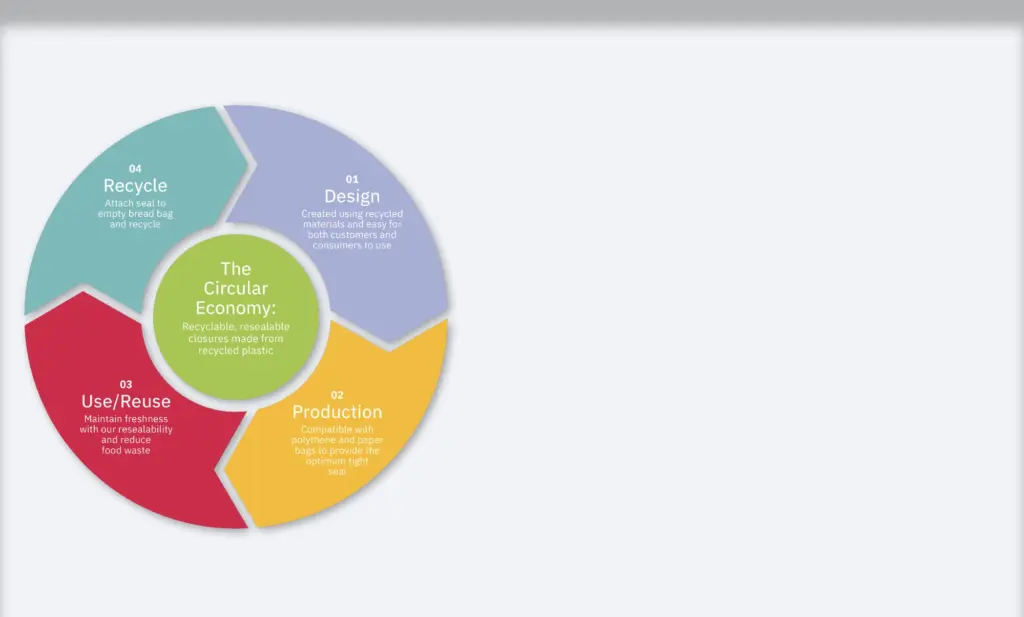
Working Towards a Circular Economy
The era of single-use plastic is rightly coming to an end. Our goal is to ensure every material we use is as efficient, responsible, and circular as possible.
Circularity is built into our design process. Through ongoing research and development, we reduce material use, incorporate 30% recycled content into our tape seals, and ensure our products can be recycled easily alongside the bread bag.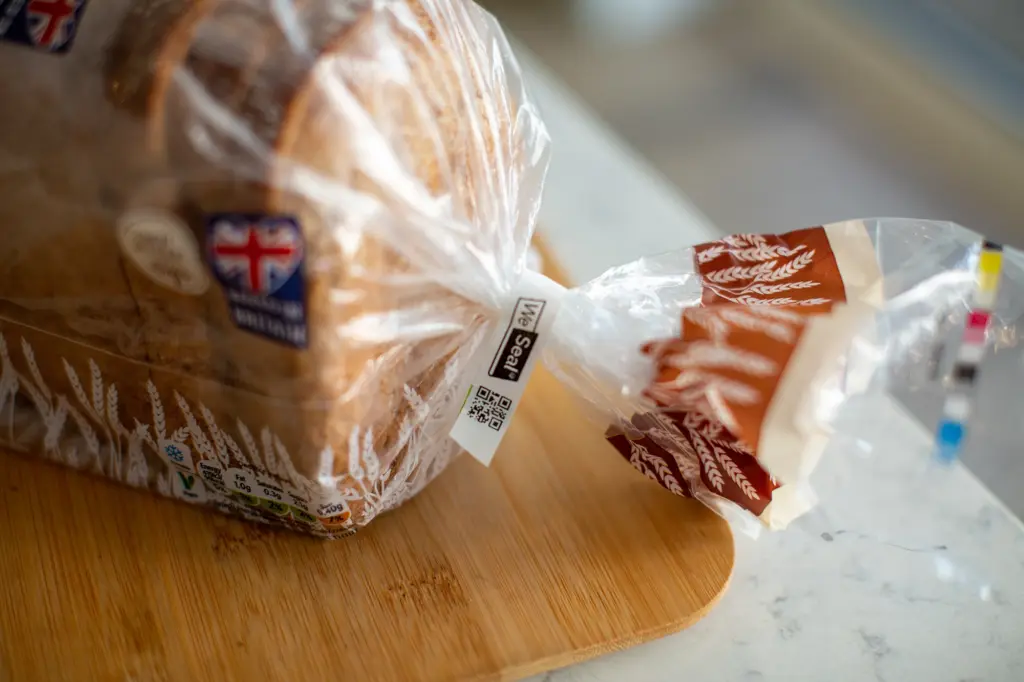
reduce
One of the most effective ways to reduce environmental impact is to use less material from the outset.
Our tape seals use, on average, 80% less plastic by weight than a rigid plastic clip. That is five times less plastic before recycling or reuse is even considered.
For a sealing machine running around 15 million bags per year, this equates to approximately 2.3 metric tonnes (4.65 US tons) less plastic used annually compared to rigid clips.
Using less material also reduces transport emissions, storage space, and handling costs, delivering environmental and operational benefits.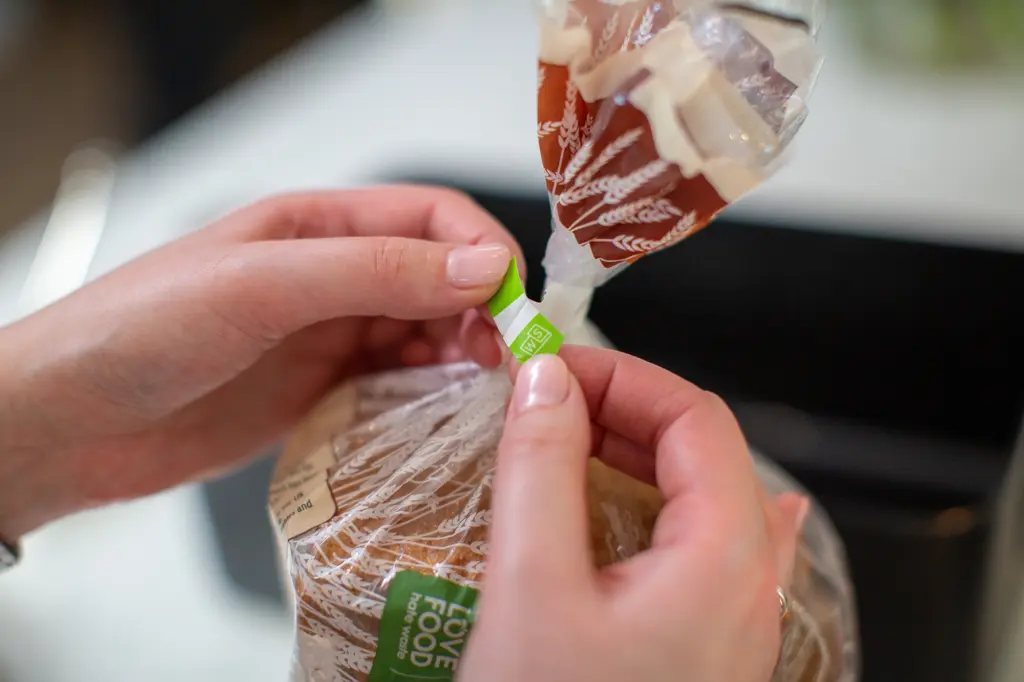
reuse
Designing products for reuse is essential to creating a circular economy. Packaging that can be opened, closed, and used repeatedly helps extend product life and reduce unnecessary waste.
Our tape uses a food-safe adhesive that allows the seal to be opened and resealed 50+ times, so the same bag can be reused throughout the life of the product without tearing or losing performance. This repeated use helps maintain a reliable seal from the first opening to the last slice.
recycle
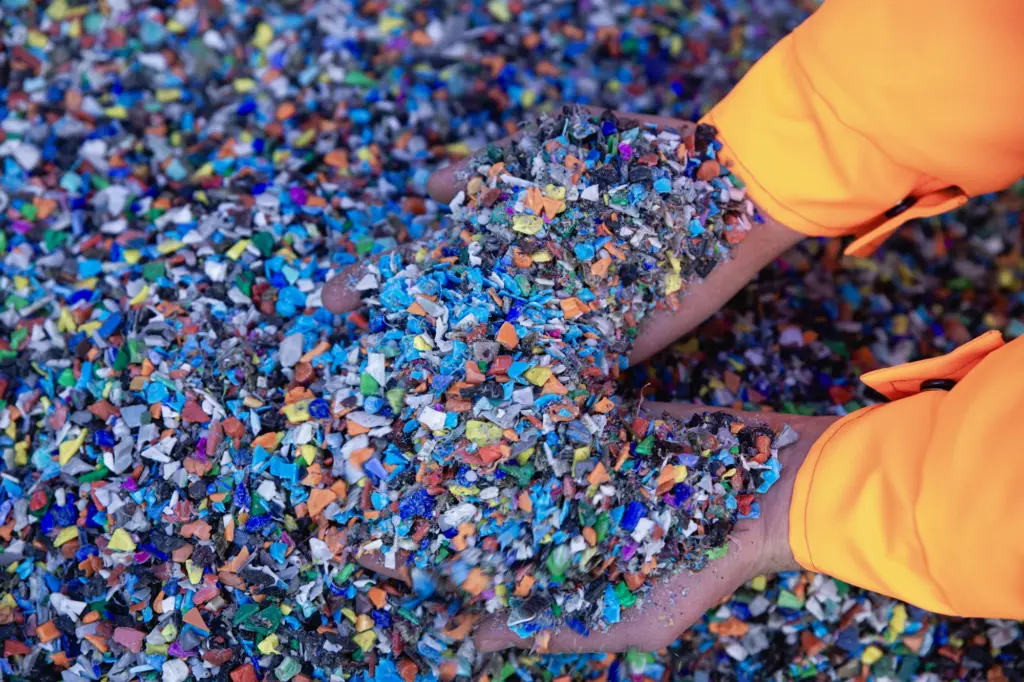
Using less material is only part of the solution. We also focus on making recycling simple and realistic for consumers.
Our tape seals are made from pure polypropylene (PP), a widely recognised and easily recyclable plastic. The seal is applied directly to a polythene bread bag and typically represents around 1% or less of the total packaging.
Although this means PP is attached to a PE or LDPE bag, the seal is so small that it does not compromise recyclability. Consumers can leave the seal attached and recycle the bag as normal, without separating components.
We also believe that sustainability is a shared responsibility. We actively campaign for improved recycling systems and consumer education through initiatives such as BreadBags.org.Going the Extra Mile
We believe that the sustainability journey doesn’t just stop at reducing, reusing and recycling.
We collaborate with packaging
manufacturers, food producers,
retailers, and environmental
organisations including WRAP and their UK Plastics Pact to improve
industry standards.
We have invested in ISO
14001:2015 environmental
management accreditation to
ensure our environmental practices meet recognised standards.
We also offer an end-of-life
recycling service for machines, removing and responsibly recycling equipment to ensure materials are recovered wherever possible.
These initiatives help minimise waste from film, adhesive, and machinery across our operations.
Despite strong evidence that plastic continues to play an important and functional role in food packaging,
it is often viewed more negatively than paper.
Going the Extra Mile
We believe that the sustainability journey doesn’t just stop at reducing, reusing and recycling.
We have invested in ISO
14001:2015 environmental
management accreditation to
ensure our environmental practices meet recognised standards.
We also offer an end-of-life
recycling service for machines, removing and responsibly recycling equipment to ensure materials are recovered wherever possible.
These initiatives help minimise waste from film, adhesive, and machinery across our operations.
Despite strong evidence that plastic continues to play an important and functional role in food packaging,
it is often viewed more negatively than paper.
So Why Not Remove Plastic Altogether and Switch to Paper?
While our tape seals and sealing machines work seamlessly with paper bags, paper has well-documented limitations.
Paper bags typically require more raw material and energy to produce and lack the barrier properties needed to keep bread fresh for extended periods. As a result, bread stored in paper often dries out more quickly, increasing food waste.
For this reason, we believe a lightweight polythene bag paired with our recyclable tape seal offers the best balance between freshness, food waste reduction, and environmental impact.
That said, our seals and machines are fully compatible with paper bags whenever they are the preferred option.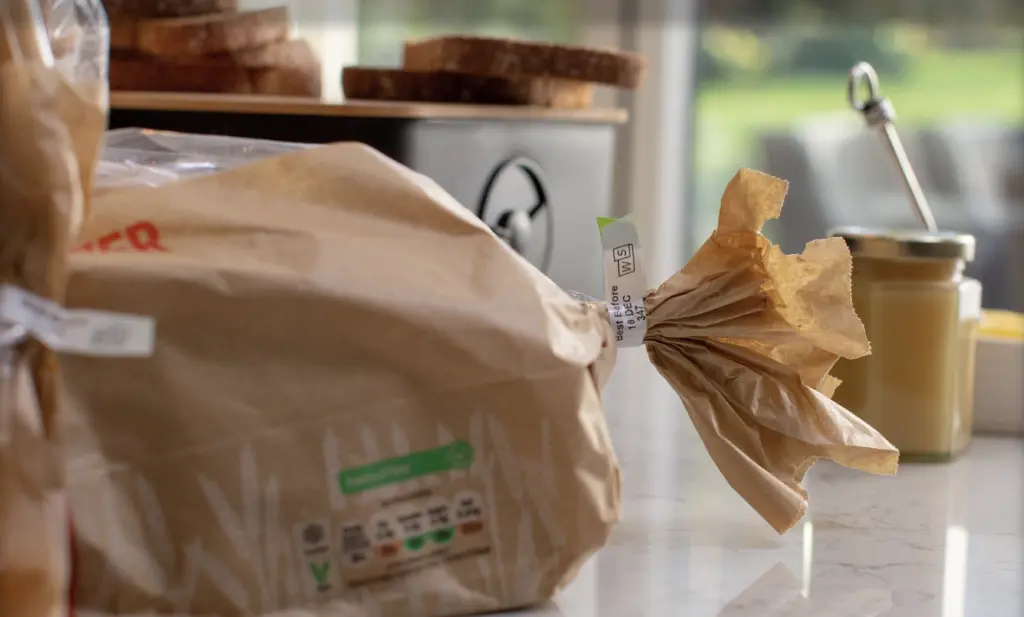
So Why Not Remove Plastic Altogether and Switch to Paper?
While our tape seals and sealing machines work seamlessly with paper bags, paper has well-documented limitations.
Paper bags typically require more raw material and energy to produce and lack the barrier properties needed to keep bread fresh for extended periods. As a result, bread stored in paper often dries out more quickly, increasing food waste.
For this reason, we believe a lightweight polythene bag paired with our recyclable tape seal offers the best balance between freshness, food waste reduction, and environmental impact.
That said, our seals and machines are fully compatible with paper bags whenever they are the preferred option.Our Journey to Net Zero by 2030
Net zero is more than a target. It’s a commitment.
To reach this goal, we actively measure, reduce and offset our carbon emissions across the business.

“
Prior to switching to We Seal, we had been using rigid plastic tags on our loaves for 40 years. We decided to make the change because our customers were looking for a more sustainable option for their closures. Since our new tape sealing machine was installed in Summer 2022, we have found that our loaves have a tighter seal, and our consumers have responded positively to the new method. It’s also great to have 3x more closures per spool, reducing downtime as changeover is less frequent. We have been very impressed with the level of support we have received from We Seal and are very happy with this addition to our packing process.

Bill Sam | Father Sam's Bakery
”
“

Andy Carroll | Allied Bakeries, UK
”
“

Ted Valderrama | Angelina Bakeshop, the Philippines
”
“
Francis Furlong | Fine Lady Bakeries, UK
”
“

Ian Martin | GF Precinct, Australia
”
“

Johan Larsson | Sales Manager at Lundpac AB
”
“
Chris Hallett | Halletts The Bakers, UK
”
“
We absolutely love your machines! They’ve always been so reliable for us, and the best part is how simple and user-friendly they are.